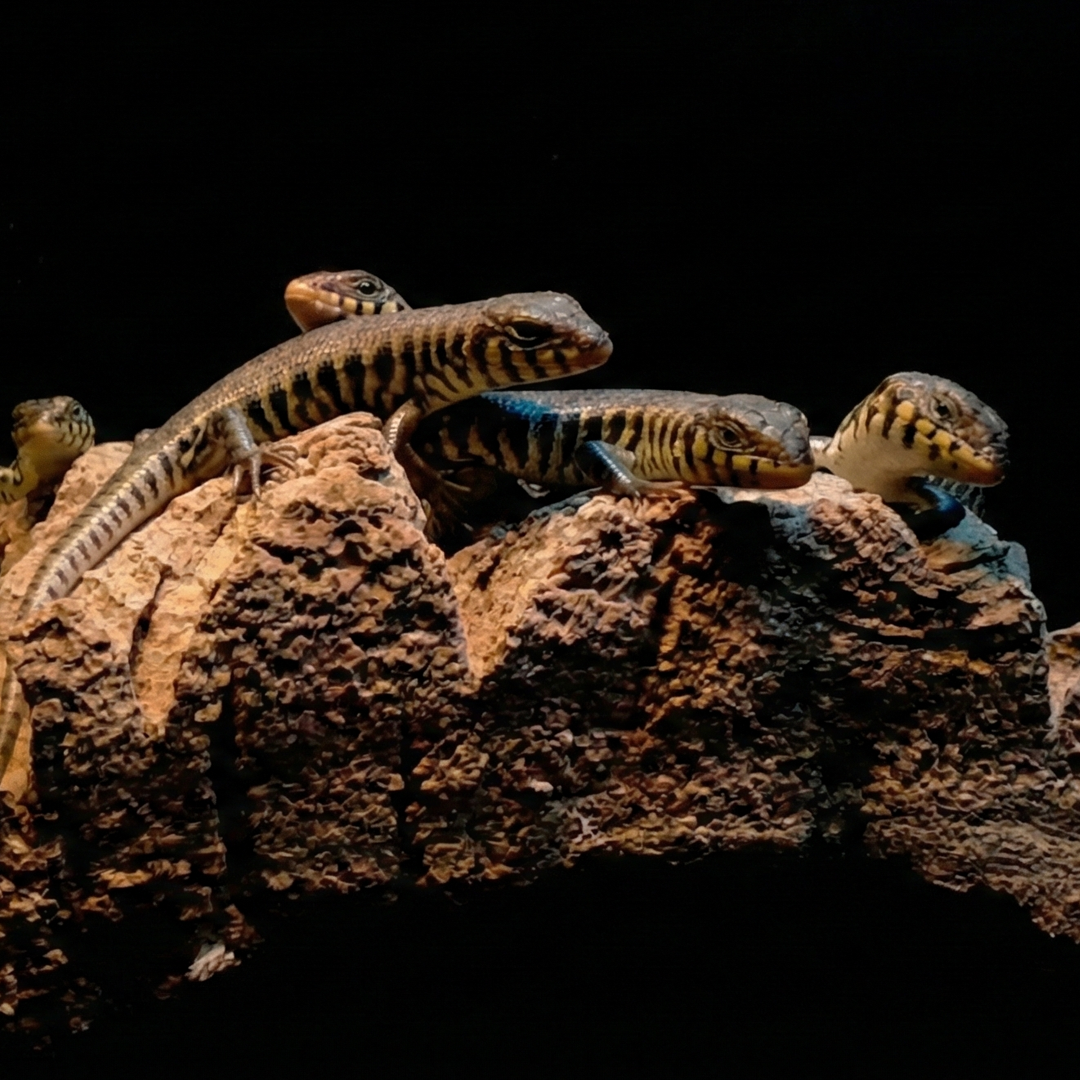

Crested Gecko Bioactive Care Guide
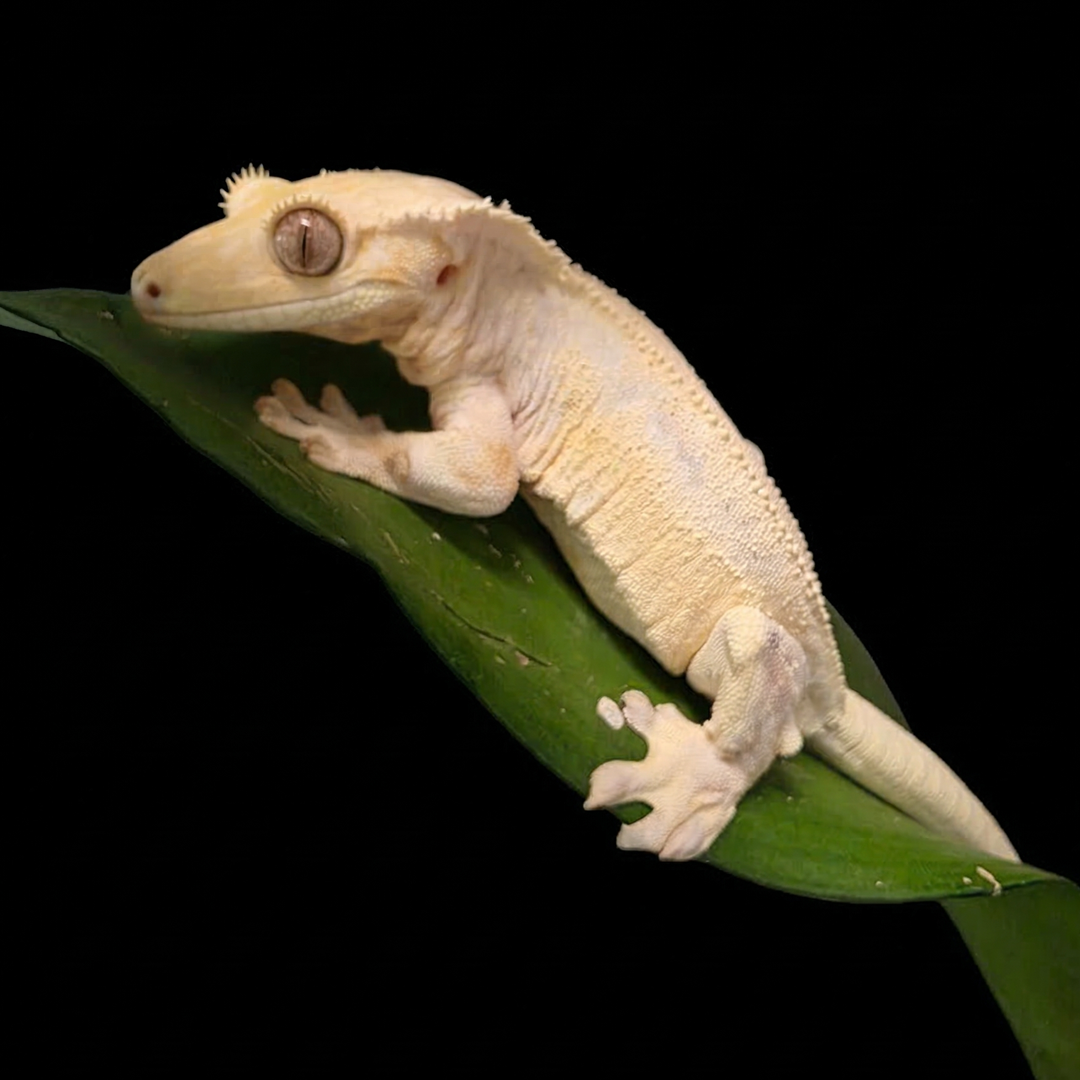
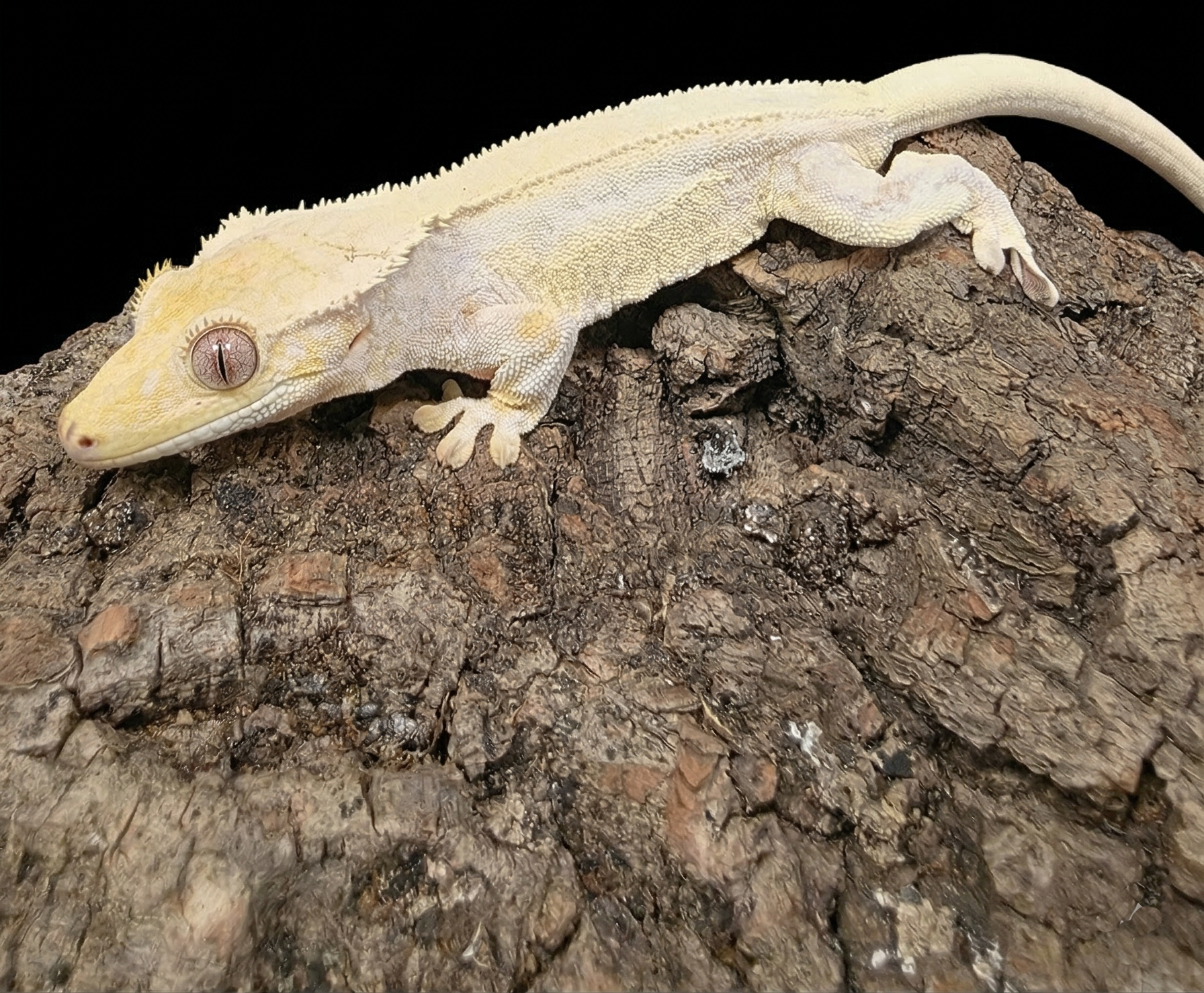
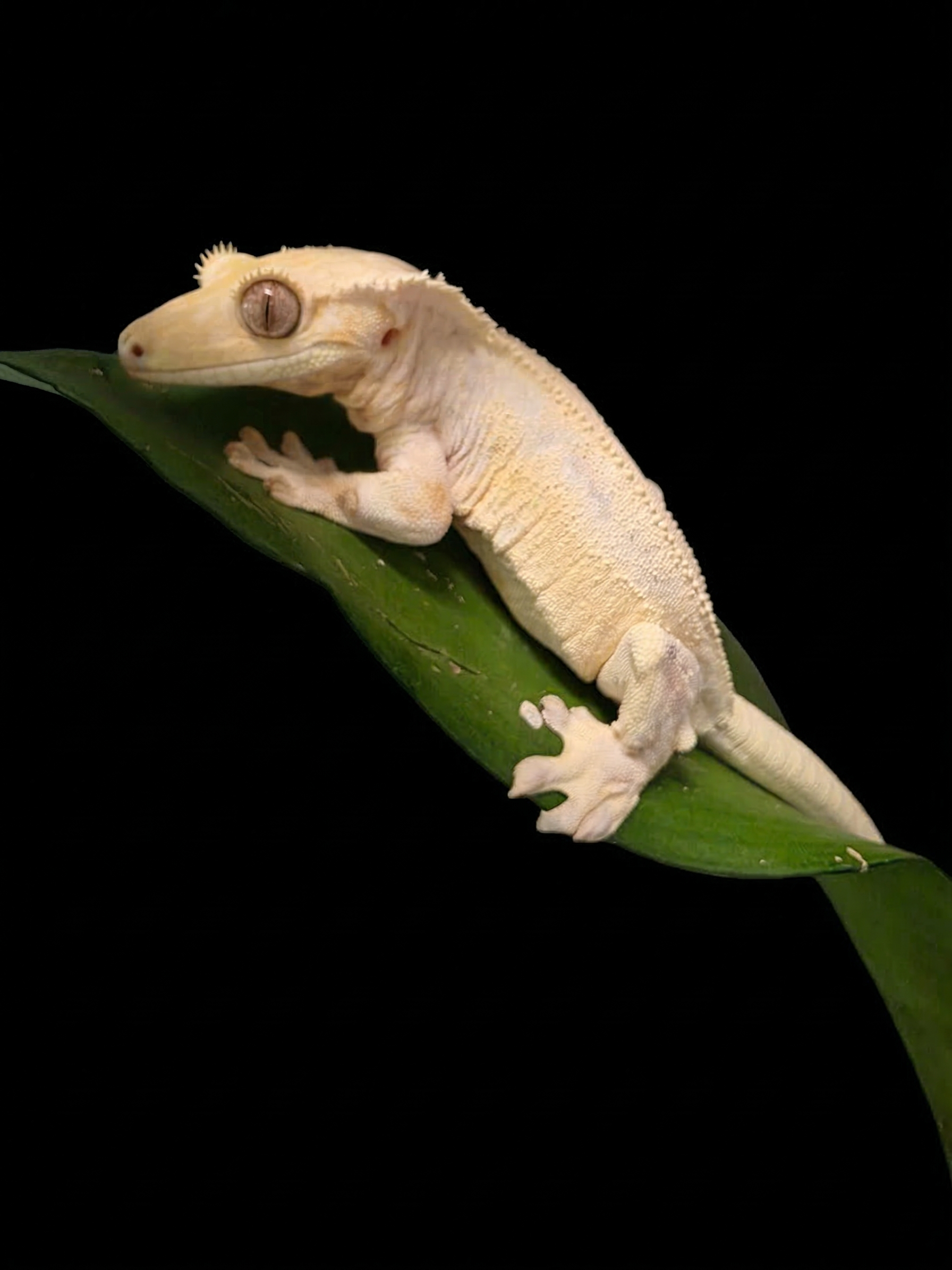
Crested geckos are medium-sized lizards that reach 6 to 8 inches in length. They are native to
New Caledonia, where they can be found among the trees and vines of the tropical rainforest.
With proper care, they have a 15-20 year lifespan. Due to their manageable size, relatively simple
care requirements, and tolerance toward humans, crested geckos are popular first-time reptiles .
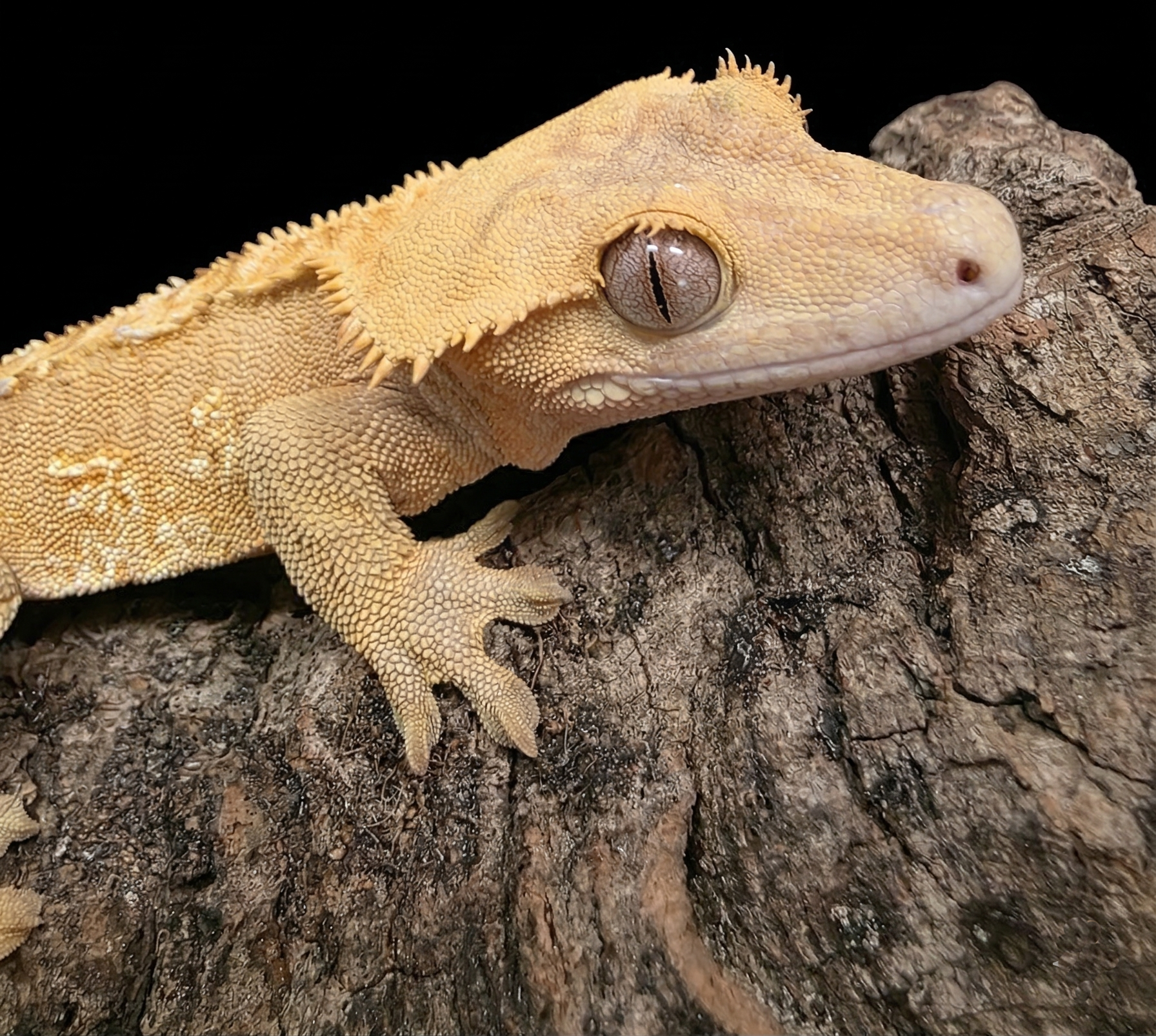
Housing Requirements
As an arboreal (tree-dwelling) species, crested geckos generally prefer terrariums that are taller than
they are wide. This gives them adequate opportunity to explore, hunt, and generally exercise
natural behaviors.
* The minimum recommended enclosure size for a single crested gecko is 18"L x 18"W x 24"H
* Particularly young crested geckos (less than 12g) benefit from being kept in a smaller, temporary
"grow out" enclosure (around 5 gallons, or roughly 12"x12"x12") until they are large enough to safely
navigate a full-sized adult enclosure.
* Cohabitation is not recommended for novice keepers. If the geckos don't get along, they can fight
and severely injure one another. However, there are instances where keeping multiple geckos
together is successfully done. If you are considering housing multiple crested geckos together,
please consult with one of us at Pets That Don't Bark before doing so, and we can help you
determine if it can be done safely.
* Males should never be housed together!
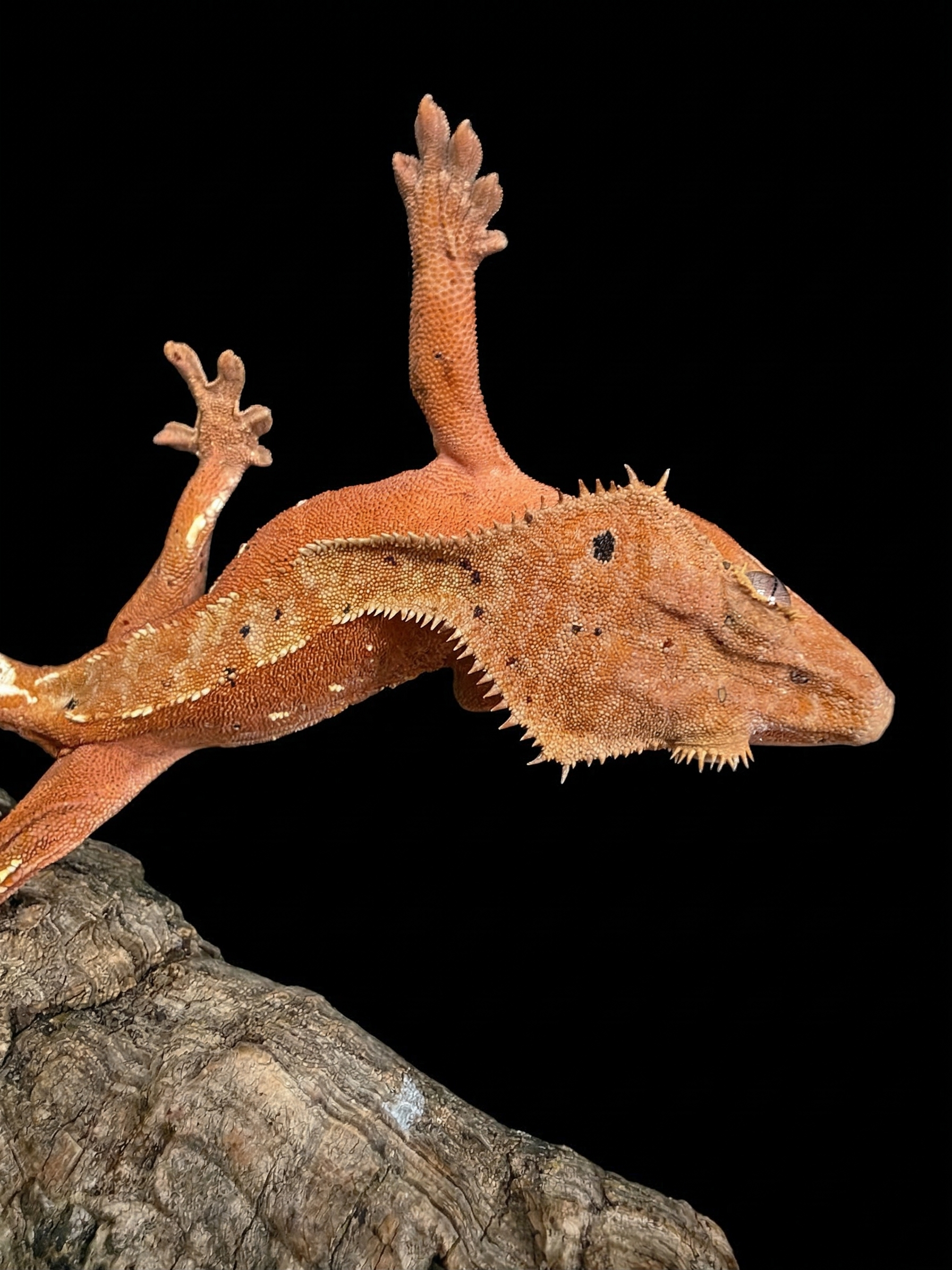
Heating & Lighting
Crested geckos do not require a hot basking spot or a heat bulb. They thrive comfortably at standard room temperatures.
* Temperature: Maintain the enclosure at a comfortable room temperature of 70-75°F (21-24°C).
* Nighttime: Ensure the temperature does not dip below 65°F (18-22°C) at night.
* Lighting: We highly recommend purchasing a grow light for the live plants in your bioactive setup unless you already have one. A plant grow light is the "only" lighting you will need for this enclosure. Obviously, this light will help your live plants grow, but it also provides a crucial day-night cycle for your
crested gecko.
* Day-Night Cycle: Your light should be set to a cycle of 12 hours on and 12 hours off. You can use smart plugs or other plug-in light timers to easily achieve this with automation.
* UVB Lighting: Due to the nature of crested geckos' captive diet, they can survive without UVB lighting. UVB is completely optional; while it likely benefits them in some minor way, no conclusive studies
have shown it to be strictly necessary.
Humidity & Hydration
Crested geckos do best in a high-humidity environment, with an average humidity of 60-80%. It is
normal and healthy for humidity levels to rise at night and fall during the day.
* Misting: It is best to spray the tank at night with dechlorinated water.
* Microclimates: It is very common for different regions of the tank especially near the top of the= enclosure to not reach the recommended overall humidity levels. The whole enclosure does not need to perfectly maintain 60-80% uniformly. Instead, the natural setup, plants, and substrate provide humid microclimates that the gecko can move to when they need more moisture.
* Bromeliads: Make sure to fill the bromeliad cups when you spray. This provides a natural place for the gecko to drink and actively creates one of those highly beneficial humid microclimates within the enclosure.
Bioactive Substrate, Plants, & Decor
Your bioactive enclosure comes ready-to-go with the proper substrate. Decorations play a vital role
in your crested gecko's enclosure as environmental enrichment. Enrichment items encourage
exercise, stimulate your pet's natural instincts, and help promote overall wellbeing.
* Substrate: If you ever need to top off or add more substrate, you can always get the tropical
substrate mix directly from Pets That Don't Bark.
* Bromeliad Care: When the flower of a bromeliad dies, the parent plant will eventually die back as
well. When this happens, simply trim the dead parent plant away. You don't need to worry about
replacing it, as it will pop out a baby plant (a "pup") to take its place. You can crumble up the dead
flower and sprinkle it back into the enclosure-it makes excellent food for your isopods!
* Decor: Use branches, vines, and live or artificial foliage to encourage your crested gecko to=
climb and explore. Keeping a generous layer of leaf litter on top of the substrate is great for
supporting your clean-up crew.
Diet & Nutrition
Crested geckos are omnivores, which means that they need a balanced diet of both plant- and
animal-based foods. Crested gecko diet (CGD) is a nutritionally-complete powder that becomes a
meal replacement smoothie when water is added.
* Hatchlings and Juveniles (0-12 months): Provide CGD daily, and offer insects 1-2 times a week.
* Adults (>12 months): Provide CGD every 2-3 days, and offer insects once a week.
* Note on Feeding Babies: It's important to remember that reptiles are not humans-they eat way less
than we do, and in captivity, we offer them much more food than they would ever find in the wild.
Babies eat very, very little. If you have a baby gecko and can't tell if it's eating, don't panic. As long
as the gecko isn't lethargic, it is likely fine. Keep in mind that "lethargic" does not mean sitting on
the same branch for three days straight (geckos naturally do that!). True lethargy means a lack of
energy when interacting. If you take your baby gecko out to handle it and it is jumping and moving
around, it is probably eating, and the missing food is just too small to notice.
* Insects: Any feeder insects need to be "dusted" with a light coating of calcium powder. Make
sure to use a calcium powder with D3 for this.
* Note on Older Geckos: It is very common for crested geckos to stop eating crickets or other live
insects altogether as they age. While you should still offer them occasionally to provide variety,
insects may become completely unnecessary over time as long as they are eating their CGD.
Company
Pets that don't bark INC.
3651 Wall Avenue Suite 1114
Ogden Utah, 84405
STORE HOURS: 11AM-8PM Monday-Thursday and
10 AM-9PM Friday-Saturday.
Pets that don't bark INC.
3651 Wall Avenue Suite 1114
Ogden Utah, 84405
STORE HOURS: 11AM-8PM Monday-Thursday and
10 AM-9PM Friday-Saturday.
My Account
My Account
Dream Pet Giveaway
NO PURCHASE NECESSARY TO ENTER OR WIN. A PURCHASE WILL NOT INCREASE YOUR CHANCES OF WINNING. Open to legal residents of the 50 United States, the District of Columbia and Canada. Void in Puerto Rico and US territories and where prohibited by law. Must be age of majority in state/province of residence as of January 1, 2026 MT. Promotion ends 11:59 PM MT on June 30, 2026. Skill-testing question required if a Canadian resident is selected as potential winner. Maximum Approximate Retail Value (ARV) of Grand Prize is $1,500 USD. Odds of winning depend upon the number of eligible purchase and non-purchase entries received. See Official Rules for details including how to enter without making a purchase. Sponsor: Pets That Don't Bark INC, 3651 Wall Avenue Suite 1114 Ogden Utah 84405.
Dream Pet Giveaway
NO PURCHASE NECESSARY TO ENTER OR WIN. A PURCHASE WILL NOT INCREASE YOUR CHANCES OF WINNING. Open to legal residents of the 50 United States, the District of Columbia and Canada. Void in Puerto Rico and US territories and where prohibited by law. Must be age of majority in state/province of residence as of January 1, 2026 MT. Promotion ends 11:59 PM MT on June 30, 2026. Skill-testing question required if a Canadian resident is selected as potential winner. Maximum Approximate Retail Value (ARV) of Grand Prize is $1,500 USD. Odds of winning depend upon the number of eligible purchase and non-purchase entries received. See Official Rules for details including how to enter without making a purchase. Sponsor: Pets That Don't Bark INC, 3651 Wall Avenue Suite 1114 Ogden Utah 84405.